
Moles, skin tags, warts and cysts are common reasons people ask about minor skin surgery in Nallagandla. They are not all removed in the same way, and a changing lesion should not be treated as a cosmetic nuisance until it has been examined. Varniqa's approach is dermatologist-led assessment first, followed by the simplest safe procedure when removal is appropriate.
Examination before removal
The dermatologist asks when the lesion appeared, whether it has changed in size, shape or colour, whether it bleeds or itches, and whether it catches on clothing or jewellery. Dermoscopy may be used to examine pigment and structure that are not visible to the naked eye.
Skin tags are usually soft, flesh-coloured growths in areas of friction. Moles can be flat or raised and may be benign, but a new or changing lesion deserves attention. Warts, cysts and corns have their own treatment considerations. The diagnosis affects whether a lesion is removed, monitored, sampled or referred for further care.
What the procedure involves
Most minor procedures are performed under local anaesthesia. The area is cleaned, the anaesthetic injection stings briefly and the skin is treated using a method chosen for the lesion and its location. A suture may or may not be needed. Many procedures are day cases, but the exact time depends on size, depth and site.
Before consent, the plan should cover the method, whether tissue will be sent for histopathology, the likely mark, aftercare, expected healing and the possibility that a further procedure could be needed. A cosmetic result cannot be guaranteed because every procedure that breaches the skin can leave a mark.
When a biopsy is needed
A lesion that is growing, changing colour or shape, bleeding, persistently itching, irregular at the border or different from the others may need a biopsy rather than cosmetic removal. A biopsy sends a tissue sample for histopathology so the diagnosis is based on evidence. Removing a suspicious lesion without preserving the information needed to assess it can make the clinical question harder to answer.
Do not wait for a convenient cosmetic appointment if a lesion is changing quickly or bleeding. The dermatosurgery service can assess whether a lesion is suitable for removal, needs testing or should be managed another way.
Healing and scarring
Healing varies with the method, size, location, skin tension and individual response. Superficial wounds may settle over one to two weeks, while deeper procedures or areas under tension take longer. Written aftercare covers cleaning, dressing, sun protection, activity and when sutures need review.
Sun protection during healing can reduce darkening of the scar, particularly in skin that pigments readily. The realistic goal is a smaller, flatter or less noticeable mark—not an invisible result. If the site becomes increasingly painful, red, swollen, warm or produces discharge, contact the clinic for advice.
Related procedures
Varniqa also assesses warts, cysts, corns, earlobe repair and suspicious lesions. For pigmentation or texture concerns after healing, treatment options are considered through medical dermatology rather than chosen from a fixed procedure menu.
Medical information notice
This page is general education, not a diagnosis or an individual treatment recommendation. A changing, bleeding or unusual lesion should be examined promptly.
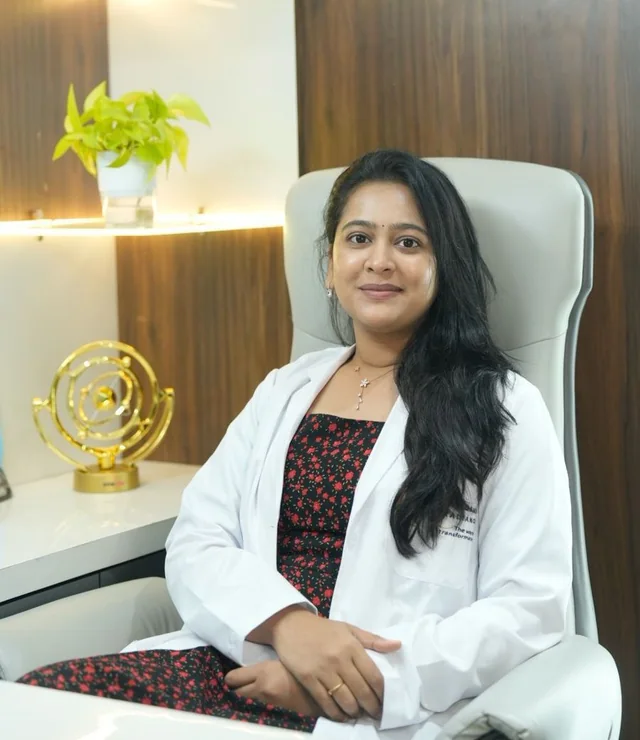
The clinic's dermatologist
Dr. Manvitha Poluri · MBBS, MD (DVL)
Founder and Chief Consultant Dermatologist at Varniqa Skin Sciences, Nallagandla.