
Medical dermatology in Nallagandla
The diagnostic side of the clinic, and where most patients start. Skin, hair and nail conditions assessed and treated by an MD (DVL) dermatologist rather than managed from a product counter.
What this covers
- Acne and acne scarring
- Eczema and dermatitis
- Psoriasis
- Melasma and pigmentation
- Fungal and bacterial infections
- Vitiligo
- Urticaria (hives)
- Nail disorders
When it is worth seeing a dermatologist
A skin problem is worth a specialist opinion when it is not settling, when it keeps returning, when it is spreading, when it is affecting sleep or daily life, or when something on the skin has changed in size, colour or shape. Long-running conditions treated as though they were something else are among the most common reasons people arrive here having already lost months.
Many skin conditions look alike. Fungal infection, eczema and psoriasis can all present as a red, scaly patch, and the treatment for one can actively worsen another — which is why the diagnosis comes before the prescription rather than after a trial of it.
How the diagnosis is reached
A consultation begins with history: how long, what makes it better or worse, what has already been tried, and what else is going on medically. Examination follows, and where it helps, dermoscopy is used — a magnified, controlled-light view of the skin that reveals patterns of colour and structure the naked eye cannot resolve.
Where the diagnosis needs confirming, blood tests, a fungal scraping or a skin biopsy are arranged. A biopsy is a small sample taken under local anaesthesia and examined under a microscope; it is the difference between a confident diagnosis and an educated guess.
How conditions are treated
Treatment is usually a combination rather than a single product: topical therapy for what is on the skin, oral medication where the condition is driven from within, and in-clinic procedures where they add something the first two cannot. Which combination depends entirely on the diagnosis.
Most medical skin conditions are managed over months rather than resolved in a single visit. The plan is reviewed against how your skin actually responds, and changed when it does not respond as expected.
Fungal infection, eczema and psoriasis can all look like the same red, scaly patch — and the treatment for one can actively worsen another.
What to expect
The route from first message to review.
-
Assessment
History, examination and — where it helps — dermoscopy, so the condition is identified before anything is prescribed.
-
Confirming the diagnosis
Blood tests, a fungal scraping or a biopsy where the diagnosis needs more than examination alone.
-
The plan, itemised
What the condition is, what the options are, what each involves and what it can realistically achieve, with cost set out before anything begins.
-
Review
Skin conditions are judged over weeks and months. The plan is adjusted based on your actual response, not the expected one.
Medical, not cosmetic
Medical dermatology treats disease. Some conditions here — acne, melasma, vitiligo — sit across the line between medical and cosmetic, and the treatment plan says which part of the problem is which.
Where a concern is purely cosmetic, you will be told that plainly, along with what a treatment can and cannot change.
Questions about this service
Do I need a referral to see a dermatologist at Varniqa?
No. You can book directly by calling or sending a WhatsApp message to +91 90001 53463. It helps to bring any previous prescriptions, test reports, or photographs of the condition when it was at its worst, since many skin conditions look different on the day of the appointment.
What is dermoscopy, and will it hurt?
Dermoscopy is examination of the skin through a magnifying device with controlled lighting. It shows patterns of colour and structure that are not visible to the naked eye, and it often separates conditions that look identical on the surface. It involves no needles and no discomfort, and takes a few minutes.
How soon will I see results from skin treatment?
It depends on the condition. Inflammatory problems such as urticaria or an eczema flare often settle within weeks, while acne, pigmentation and hair conditions are assessed over two to three months because they follow the skin's own cycles. The expected timeline is given to you at the consultation rather than left open.
Should I stop my current skincare before the appointment?
No. Bring your products, or a photograph of their labels, and come with your skin in its usual state. Seeing the condition as it normally presents, alongside what is already being applied to it, is considerably more useful than seeing it after a sudden change.
Medical information notice
This page describes how these conditions are generally assessed and treated at Varniqa. It is general information, not a diagnosis or a treatment recommendation for you specifically, and it cannot replace a consultation. Outcomes vary between individuals.
Related services
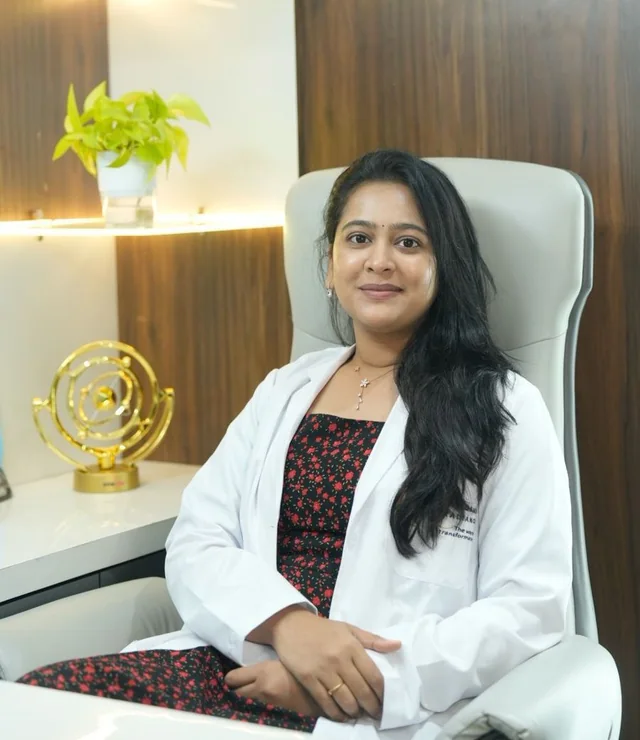
Reviewed by the clinic’s dermatologist
Dr. Manvitha Poluri · MBBS, MD (DVL)
Founder and Chief Consultant Dermatologist at Varniqa Skin Sciences, Nallagandla. This page was last reviewed on .
Start with a consultation
Describe the concern in your own words. Working out which treatment it needs is the clinic's job.