
Minor skin surgery in Nallagandla
Minor surgical procedures of the skin, performed under local anaesthesia by a dermatologist, usually completed in a single visit.
What this covers
- Moles and skin tags
- Warts and verrucae
- Cysts
- Corns
- Earlobe repair
- Vitiligo surgery
- Biopsy of suspicious lesions
Before anything is removed
Every lesion is examined first, with dermoscopy where it helps. The question being answered is not whether it can be removed — most things can — but whether it should be removed cosmetically or investigated properly.
A lesion that has changed in size, shape or colour, that bleeds or itches, that has irregular borders or more than one colour, or that simply looks different from your others, is biopsied and sent for histopathology rather than shaved off for appearance. Removing such a lesion cosmetically destroys the evidence needed to interpret it.
What the procedure involves
The area is cleaned and local anaesthetic is injected. The injection itself stings briefly; after it takes effect the area is numb, and you will feel pressure and movement but not pain. The procedure follows, and depending on the method and the site, a suture may or may not be needed.
Most procedures are completed as day cases within a single appointment. You leave with written aftercare instructions and, where sutures were placed, a date for their removal.
Healing and scarring
Every procedure that breaches the skin leaves a mark. The realistic goal is a mark that is smaller, flatter and less noticeable than what it replaced — not the absence of one. Where scarring is likely to be significant, or where the site heals poorly, you will be told before you agree to the procedure.
Final appearance takes months to settle. Sun protection over a healing scar makes a substantial difference to how it ends up looking, particularly on skin that pigments readily.
Most lesions can be removed. The question worth answering first is whether this one should be removed — or investigated.
What to expect
The route from first message to review.
-
Examination
The lesion assessed clinically and with dermoscopy, to decide whether it is a cosmetic removal or something requiring investigation.
-
The plan and consent
Method, expected scarring, aftercare and cost explained and agreed before anything is scheduled.
-
The procedure
Performed under local anaesthesia, usually within a single visit.
-
Histopathology and aftercare
Where a sample was sent, results are discussed with you. Aftercare instructions are given before you leave.
If a lesion is changing, do not wait
A mole or skin lesion that is growing, changing colour, developing an irregular border, bleeding or behaving differently from your others should be examined promptly rather than at a convenient time.
This is the one category on this site where waiting has a real cost. Bring it in.
Questions about this service
Will removing a mole leave a scar?
Any procedure that breaches the skin leaves some mark. The realistic aim is a mark that is smaller and less noticeable than the lesion it replaced, not an invisible result. The likely appearance for your specific lesion and site is explained before the procedure is agreed, and sun protection during healing makes a genuine difference to the final result.
Is the procedure painful?
The local anaesthetic injection stings for a few seconds. Once it has taken effect the area is numb, and during the procedure you will feel pressure and movement but not pain. Mild soreness once the anaesthetic wears off is normal and is usually managed with simple pain relief.
Will the lesion be sent for testing?
It depends on what it is. Lesions with any feature that warrants investigation are sent for histopathology, and this is decided at examination rather than by request. Clearly benign lesions removed for cosmetic reasons, such as skin tags, are generally not sent unless something about them is unusual.
How long does healing take?
It depends on the site, the size and the method used. Superficial procedures often heal within one to two weeks, while sites under tension or on the lower legs take longer. You will be given specific aftercare for your procedure, including when sutures come out and what to avoid in the meantime.
Medical information notice
This page describes how these conditions are generally assessed and treated at Varniqa. It is general information, not a diagnosis or a treatment recommendation for you specifically, and it cannot replace a consultation. Outcomes vary between individuals.
Related services
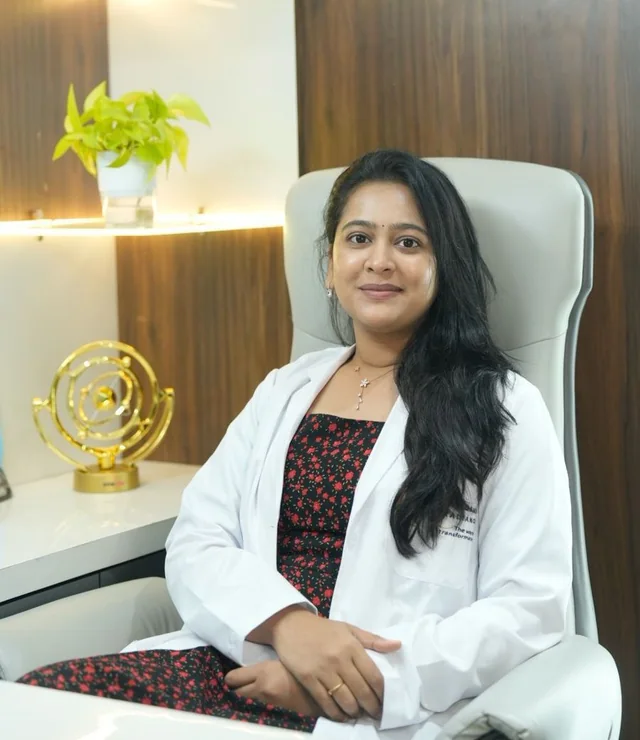
Reviewed by the clinic’s dermatologist
Dr. Manvitha Poluri · MBBS, MD (DVL)
Founder and Chief Consultant Dermatologist at Varniqa Skin Sciences, Nallagandla. This page was last reviewed on .
Start with a consultation
Describe the concern in your own words. Working out which treatment it needs is the clinic's job.