Laser hair reduction uses light absorbed by pigment in the hair follicle. It is a reduction, not a guarantee of permanent removal, and the response depends on hair colour, hair growth cycle, skin type, area treated and the settings selected. Varniqa's laser hair reduction service in Nallagandla is dermatologist-led and planned for Indian and South Asian skin.
Who can benefit from laser hair reduction?
Dark, coarse hair usually responds best because it gives the laser a clear target. White, grey and very blonde hair contains little pigment for the device to act on. Fine facial hair can be a poor target and, in some cases, may respond unpredictably. Hormonal conditions can also drive new growth, so recent or rapidly increasing facial hair may need medical assessment before a cosmetic course.
The consultation considers the area, hair colour and thickness, previous waxing or threading, tanning, medicines that affect light sensitivity, pregnancy and conditions such as melasma. The aim is to decide whether laser is appropriate and what it can realistically achieve.
Why Indian and South Asian skin type matters
Melanin in the skin can absorb some of the laser energy intended for the hair. If the wavelength or settings are wrong, the risk of burns and post-inflammatory pigmentation increases. Skin typing, conservative parameters, cooling and a test patch where appropriate are part of safer planning.
Recent tanning, active irritation and some medicines may mean a session should be delayed. Sun protection between sessions matters because a change in skin pigment can change what settings are safe. The laser safety guide for Indian skin explains preparation and the limitations of different hair colours.
What a course involves
The area is examined and prepared before treatment. Eye protection is used, and some areas may need topical anaesthetic. A session treats the follicles that are in an active growth phase; because hairs grow in cycles, several sessions are usually spaced weeks apart. The number is based on the area, hair, skin and response rather than a fixed package promise.
Waxing, threading, plucking and epilating remove the follicle's target and are generally avoided during the course. Shaving is usually compatible because the follicle remains in place. Aftercare includes sun protection and following the clinician's instructions about heat, friction and products.
Results and risks
A completed course can substantially and durably reduce hair amount and thickness, but regrowth and maintenance sessions are normal. The result is affected by hormones, hair colour, area and individual response. A clinic that promises permanent hair removal for everyone is overstating what the technology can do.
Temporary redness and follicular swelling are common. Less common risks include blistering, crusting, lighter or darker pigmentation and paradoxical hypertrichosis, particularly around the face and neck. These risks are discussed before treatment and are one reason an assessment and test patch may be recommended.
Related reading
Read the laser treatments service page for pigmentation and acne-scar laser considerations. If unwanted facial hair is new or accompanied by other symptoms, start with medical dermatology before booking a cosmetic course.
Medical information notice
This page is general education, not a diagnosis or an individual treatment recommendation. Laser suitability and outcomes vary between patients.
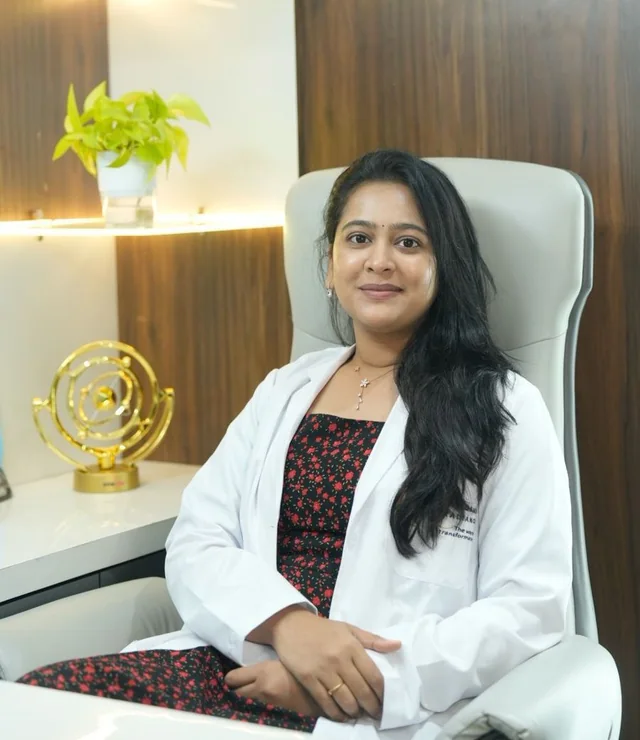
The clinic's dermatologist
Dr. Manvitha Poluri · MBBS, MD (DVL)
Founder and Chief Consultant Dermatologist at Varniqa Skin Sciences, Nallagandla.